

The Connection Between Soil Health and Human Health

Healthy soil isn’t just good for plants—it’s essential for people. The ground beneath our feet plays a silent but powerful role in determining the quality of our food, the air we breathe, our immune systems, and even our mental wellbeing.
In a world facing climate change, food insecurity, and rising chronic illness, the link between soil health and human health is more important than ever—and composting is one of the simplest ways we can restore both.
Let’s explore the deep, often overlooked connection between living soil and living people.

🌱 1. Healthy Soil = Nutrient-Rich Food
Plants get their nutrients from soil. If the soil is lacking, so is the food.
✅ Soil rich in organic matter and microbial life produces crops that are:
Higher in vitamins and minerals
More resilient to pests (less pesticide needed)
Tastier and longer-lasting
✅ Nutrient-poor soil leads to:
Declining food quality
Micronutrient deficiencies in the population
Weakened immune systems, especially in children
💡 Composting rebuilds soil fertility, naturally restoring essential nutrients like magnesium, calcium, and potassium—without synthetic fertilisers.
🧬 2. Soil Microbes Influence Our Gut Microbes
Did you know that soil bacteria and gut bacteria are cousins?
✅ Healthy soil contains trillions of microbes, many of which influence:
Plant nutrition
Immune responses
Resistance to disease
✅ When we eat produce grown in rich, living soil, we’re exposed to beneficial microbes that:
Help diversify our gut microbiome
Strengthen digestion
Boost immune function
💡 Children who play in soil and eat from gardens tend to have stronger immune systems than those raised in overly sterile environments.
🥦 3. Soil Health Supports Food Security and Local Nutrition
Soil degradation leads to lower crop yields, higher food prices, and increased reliance on imported, processed foods.
✅ By improving soil health through composting, communities can:
Grow more food with fewer inputs
Support urban agriculture and household gardening
Access fresh, local produce year-round
💡 This is especially critical in urban South Africa, where poor soil and high food costs limit access to healthy meals.
🌾 4. Composting Restores Depleted Soil—Safely and Sustainably
Chemical fertilisers can temporarily boost growth but often harm soil biology in the long term. Composting:
✅ Adds carbon-rich organic matter
✅ Increases microbial diversity
✅ Builds soil structure, aeration, and water retention
💡 The result? Soil that can nourish people, store carbon, and regenerate itself—safely and naturally.
🧠 5. Exposure to Soil Improves Mental Wellbeing
There’s a reason gardening feels good—it literally is. Soil contains Mycobacterium vaccae, a bacterium that stimulates serotonin production in the brain.
✅ Studies show that contact with soil can:
Reduce symptoms of depression and anxiety
Improve mood and cognitive function
Lower stress levels
💡 Gardening with compost isn’t just good for the Earth—it’s therapy for the mind.
🚨 6. Degraded Soil Harms Public Health
Globally, 1/3 of soil is degraded due to deforestation, overfarming, and chemical abuse. The result?
❌ Less nutritious food
❌ Poorer air and water quality
❌ Higher vulnerability to drought and floods
❌ Increased disease transmission from weakened ecosystems
💡 Restoring soil health is a public health intervention—as urgent as healthcare access and clean water.
💚 Healthy Soil, Healthy People, Healthy Planet
At its core, soil is the skin of the Earth. When we care for it, we care for ourselves.
By composting, we return life to the soil. We reduce waste, sequester carbon, grow stronger plants, and build a food system that nourishes—not depletes.
🌿 Let The Compost Kitchen Help You Regenerate Your Soil—and Your Health
We make it easy to:
✅ Compost your food scraps
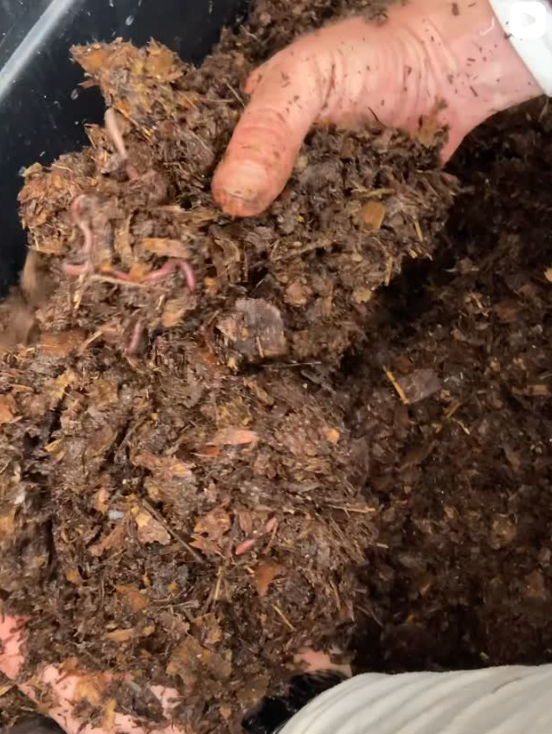
✅ Create premium, earthworm-rich vermicompost
✅ Restore soil in gardens, pots, and community spaces
Health begins in the soil. Let’s rebuild it—one banana peel at a time.
🌱 Join The Compost Kitchen and be part of the movement to heal our soil and ourselves.


Comments