

Teaching Schools About Composting: How to Get Involved

Schools are more than just places of learning—they’re influential spaces where habits are shaped, values are formed, and the next generation learns how to care for the world. That’s why introducing composting into schools isn’t just a great sustainability idea—it’s a powerful act of education and transformation.
Whether you're a teacher, parent, community member, or part of an eco-club, this guide will help you understand why composting belongs in every school and how you can help make it happen.

🌱 Why Composting in Schools Matters
1. It Teaches Responsibility and Environmental Awareness
Composting shows learners how their actions have direct consequences—and how they can be part of the solution.
✅ Learners see how food waste becomes soil
✅ They learn about natural cycles and ecosystems
✅ They become more conscious of what they throw away
💡 Learning through doing makes the lesson stick.
2. It Reduces Waste and Costs
Schools generate a lot of food waste from lunchboxes and tuck shops. Composting that waste:
✅ Reduces rubbish collection needs
✅ Lowers landfill contributions
✅ Cuts down on plastic bin liners and garden fertiliser costs
💡 The school garden can thrive using its own compost—closing the loop beautifully.
3. It Sparks School-Wide Eco Culture
When one class or club starts composting, the whole school often follows.
✅ Eco-clubs gain purpose and visibility
✅ Composting becomes part of daily routines
✅ Learners become sustainability ambassadors at home, too
💡 Composting can be the gateway to recycling, food gardens, and eco-innovation.
🏫 How to Get a School Composting Programme Started
✅ Step 1: Get Buy-In
Start by speaking to:
Teachers or heads of grade
Groundskeepers and staff
The principal or school governing body
Learners themselves (especially older grades or eco-club members)
💬 Focus on the educational, environmental, and financial benefits.
✅ Step 2: Choose a Composting Method
Different schools have different needs and spaces. Consider:
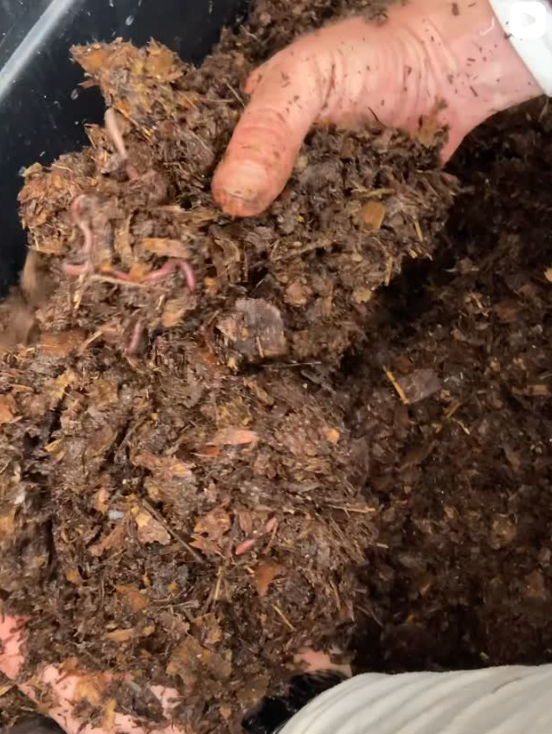
Worm farms (vermicomposting): Compact, low-maintenance, fun for learners
Compost bins or heaps: Ideal for schools with gardens and yard space
Bokashi systems: Perfect for classroom or indoor composting
💡 Start small, then scale as interest and participation grow.
✅ Step 3: Set Up a Collection System
Decide how food scraps will be collected and sorted.
Assign collection buckets to classrooms or the tuck shop
Nominate compost monitors to empty them daily
Label bins clearly to avoid contamination
💡 Keep it simple and make it a part of the daily or weekly routine.
✅ Step 4: Link to the Curriculum
Composting is relevant to many subjects:
Natural Sciences: Decomposition, ecosystems, soil life
Geography: Waste management, landfills, climate
Life Orientation: Sustainable living, responsibility
Maths: Measuring input and output, tracking compost production
💡 Teachers can use composting as a hands-on teaching tool across age groups.
✅ Step 5: Celebrate and Share the Results
Use the compost in a school garden
Weigh food waste saved and display the stats
Host an Eco Day or Compost Challenge
Get learners to present what they’ve learned at assemblies
💡 Recognition fuels motivation. Let learners see the impact of their actions.
🤝 How You Can Get Involved
Whether you're a parent, teacher, or supporter, you can:
✅ Donate a worm farm or compost bin
✅ Offer a short composting lesson or demonstration
✅ Connect the school with The Compost Kitchen’s services
✅ Sponsor compost collection or materials
✅ Help start a community garden using the compost
💡 Your effort could help dozens (or hundreds) of learners start a lifelong habit.
🌿 The Compost Kitchen Supports Schools
We offer:
✅ Food waste collection services for schools
✅ Vermicomposting solutions for classrooms and school gardens
✅ Workshops and demos for educators and learners
✅ Community partnerships to grow sustainable education
🎓 Let’s build the next generation of environmental leaders—starting with a compost bucket.
📩 Want to introduce composting at your school? Get in touch with The Compost Kitchen today and let’s make it happen.


Comments