

What NOT to Compost: Avoid These Common Mistakes

Composting is one of the most powerful tools we have for reducing food waste and enriching soil—but not everything belongs in the compost pile. Putting the wrong things in your compost can lead to bad smells, pests, or harmful substances that damage your garden rather than help it.
Whether you're new to composting or looking to sharpen your skills, knowing what NOT to compost is just as important as knowing what to add. Here’s your go-to guide for avoiding common composting mistakes!

Why You Need to Be Careful About What Goes in Your Compost
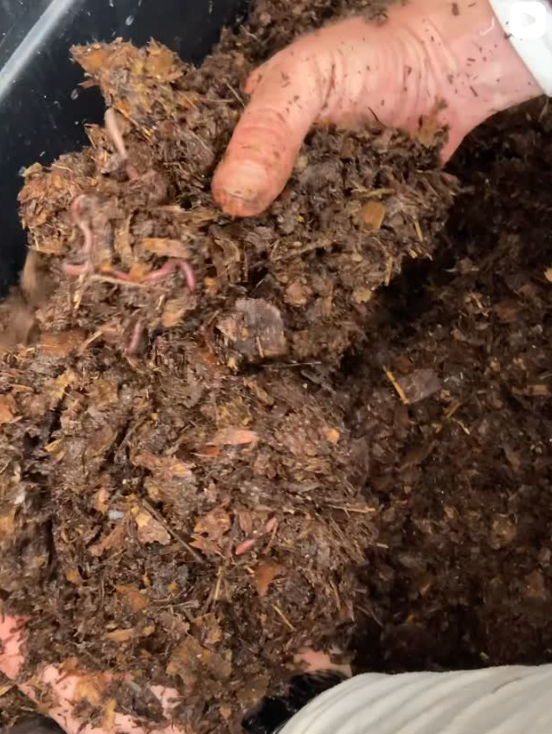
Your compost is alive with microbes, fungi, and earthworms that work together to break down organic matter. When you add the wrong materials, you can:
❌ Disrupt microbial activity
❌ Attract pests like flies and rodents
❌ Introduce toxins or harmful bacteria
❌ Slow down the decomposition process
❌ End up with poor-quality compost that harms your soil
Let’s make sure your compost pile stays healthy, balanced, and productive by keeping these no-no’s out of the bin.
Top 10 Things You Should NOT Compost
1. Meat, Fish & Dairy Products 🥩🧀🐟
These items attract pests, smell terrible when they rot, and break down much too slowly.
🚫 Avoid:
Cooked meat scraps
Bones
Cheese, milk, butter
Fish or seafood shells
💡 Exception: Bokashi composting systems can handle these—but not standard compost piles.
2. Oily or Greasy Foods 🍟
Oil, butter, and greasy leftovers don’t break down easily and can coat other materials, suffocating the microbes in your compost.
🚫 Avoid:
Salad dressing
Fried foods
Cooking oil or margarine
💡 Tip: Scrape food scraps clean of oils before adding them to your compost.
3. Pet Waste from Cats or Dogs 🐶🐱
While manure from herbivores (like cows or chickens) is compostable, pet waste from cats and dogs contains pathogens that can survive in compost and make it unsafe to use on food gardens.
🚫 Avoid:
Cat litter (especially clay-based)
Dog poop
💡 Safe alternative: Compost herbivore manure only (like rabbit or horse droppings).
4. Glossy or Coated Paper & Cardboard 📰
While plain cardboard and newspaper are great browns, coated or shiny paper contains plastics, dyes, or chemicals that contaminate your compost.
🚫 Avoid:
Magazines
Cereal boxes with shiny inside layers
Receipts (they’re often printed on thermal paper)
💡 Do compost: Shredded brown cardboard, unbleached paper, and paper towels (without grease).
5. Diseased Plants or Pest-Infested Material 🌿🦟
Adding infected plant material to your compost can spread disease or introduce pests into your garden later on.
🚫 Avoid:
Tomato leaves with blight
Powdery mildew-covered plants
Leaves with aphid infestations
💡 Tip: If in doubt, burn or bin infected plants, especially if you're planning to use the compost on edible crops.
6. Synthetic Materials & Plastics 🧴
Even if it looks like paper or “biodegradable” packaging, many products contain plastic coatings, dyes, or synthetic fibres that won’t break down—and may leave microplastics in your soil.
🚫 Avoid:
Tea bags with plastic mesh
Stickers on fruit
“Compostable” packaging unless labelled home compostable
Clothing with synthetic fibres
💡 Tip: Remove stickers from fruit and vegetables before composting the peels.
7. Citrus Peels in Large Amounts 🍊
A little citrus is okay, but too much can make your compost too acidic for microbes and worms to thrive.
🚫 Avoid:
Large amounts of orange, lemon, or lime peels
Concentrated citrus pulp or juice waste
💡 Safe usage: Cut citrus peels into small pieces and use them sparingly, especially in vermicomposting.
8. Onions & Garlic in Excess 🧄🧅
Similar to citrus, these strong-smelling, antimicrobial vegetables can disrupt the microbial balance in your compost pile—especially if you’re using a worm bin.
🚫 Avoid:
Large amounts of onion skins
Raw garlic peels and ends
💡 Tip: Add small amounts of chopped onion/garlic to a well-balanced compost pile, and mix thoroughly.
9. Weeds with Seeds or Invasive Roots 🌾
Weeds can grow back from seeds or root fragments if your compost doesn’t get hot enough to kill them.
🚫 Avoid:
Dandelions gone to seed
Couch grass or kikuyu roots
Morning glory or bindweed
💡 Tip: Let weeds dry out and die completely before composting—or compost them in a separate “slow pile.”
10. Charcoal Ash or Coal Briquettes 🔥
While wood ash from untreated wood can be composted in small amounts, charcoal or coal ash contains toxins and heavy metals that harm your soil.
🚫 Avoid:
Braai charcoal ash
Coal ash
Treated wood ash
💡 Do compost: Small amounts of pure, untreated wood ash as a pH-neutraliser—but sparingly!
Bonus Tip: When in Doubt, Leave It Out!
If you’re ever unsure whether something is safe to compost, it’s better to leave it out or research it first. Composting works best when you feed it clean, organic, and natural materials that support microbial life.
Keep Your Compost Clean for the Best Results
By avoiding these common composting mistakes, you’ll:
🌱 Speed up decomposition
🌿 Avoid bad smells and pests
🌾 Produce higher-quality compost
🌍 Protect your soil and the environment
Remember, composting is a natural process—but like any living system, it needs the right inputs to stay balanced and healthy.
Let The Compost Kitchen Handle It for You
Want to compost without worrying about what goes in or doesn’t? At The Compost Kitchen, we make it easy. We collect your food scraps and turn them into rich, clean compost—no mess, no guesswork, and no mistakes.
🌱 Sign up today and be part of a cleaner, greener future—one food scrap at a time.


Comments