

How to Turn Worm Farming Into a Side Hustle

Many worm farmers begin for a simple reason: they want to reduce food waste.
They start with a small bin, a few worms, and a curiosity about composting. But after a few months something interesting happens. The worms multiply.The compost piles up. Friends ask for some. Someone offers to buy a starter kit. Suddenly, that little worm bin looks less like a hobby — and more like a small business opportunity.

If you’re considering turning vermiculture into a side hustle, here’s how to do it sustainably and successfully.
🪱 Step 1: Understand What You Can Sell
A worm farm produces three valuable outputs.
🌱 Vermicast (Worm Castings)
A premium organic soil amendment used by gardeners and farmers.
High-quality vermicast can be sold:
By the kilogram
In small retail bags
In bulk for farms or nurseries
Demand is strong among people growing vegetables and organic gardens.
🐛 Composting Worms
Red wigglers reproduce quickly under good conditions.
You can sell:
Starter worm packs
Worm farm kits
Bulk worms to other composters
Many new worm farmers prefer buying worms locally rather than ordering online.
💧 Worm Tea
Liquid fertiliser made from steeped worm castings.
This is popular with:
Urban gardeners
Indoor plant enthusiasts
Small-scale growers
It’s easy to produce and valuable when fresh.
📦 Step 2: Scale Your System Carefully
Turning a hobby into income requires more than just adding more food scraps.
You’ll need:
Multiple bins or worm beds
Reliable organic waste inputs
Consistent moisture and temperature management
Space for harvesting and packaging
Start by doubling or tripling your existing setup rather than jumping straight to large-scale systems. Healthy growth is gradual.
🌿 Step 3: Find Your First Customers
The best customers are often already around you.
Start with:
Local gardeners
Community gardens
Farmers’ markets
Plant nurseries
Eco-conscious households
Word-of-mouth is powerful in composting communities.
When people see the results in plants, they often return.
🏷️ Step 4: Package and Present Well
Presentation matters, even for compost.
Clear packaging and information help build trust.
Include:
Product name (Vermicompost / Worm Castings)
Usage instructions
Benefits for plants
Your contact details
Simple, clean branding helps people remember you.
📊 Step 5: Keep Your Quality High
The most important part of any worm farming side hustle is quality.
Good vermicast should be:
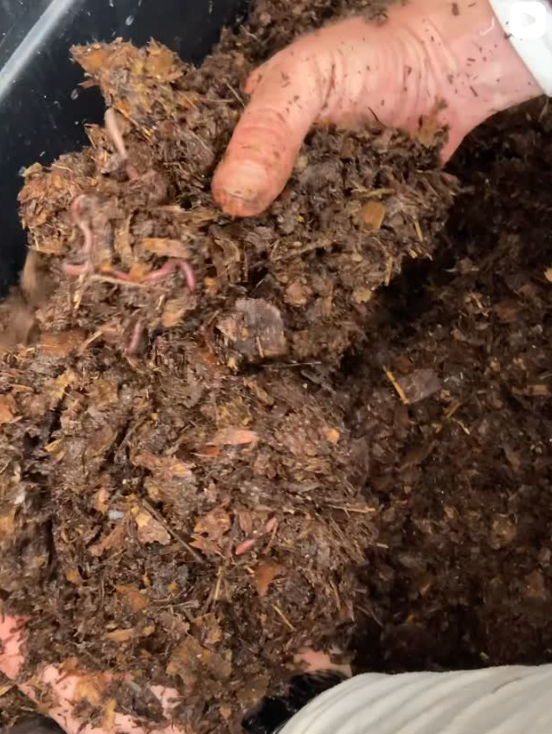
Dark and crumbly
Earthy-smelling
Free of undecomposed scraps
Rich in microbial life
If your compost produces visible results in gardens, your reputation will grow quickly.
🌍 Step 6: Tell the Sustainability Story
People buying vermicompost are often motivated by environmental values.
Explain the bigger picture:
Food waste diverted from landfill
Soil regeneration
Chemical-free plant nutrition
Circular economy practices
Customers appreciate knowing their purchase contributes to something meaningful.
💰 Step 7: Keep It Manageable
A side hustle should support your life — not overwhelm it. Start small and grow gradually.
Focus on:
Consistent quality
Local relationships
Sustainable growth
The goal is steady progress, not rapid expansion.
💚 The Compost Kitchen Journey
At The Compost Kitchen, our work began with the same curiosity many worm farmers feel.
What if food waste could become something valuable?
Over time, that curiosity grew into systems that divert organic waste, produce high-quality vermicompost, and support regenerative practices.
Your worm farm might start as a bin in the corner of your garden. But with care and intention, it can grow into something much bigger.
Final Thought
A side hustle built around worm farming isn’t just about earning extra income.
It’s about turning waste into value. It’s about building healthier soil.
And it’s about participating in a regenerative system that benefits both people and the planet.
Sometimes the smallest businesses start with the smallest creatures.


Comments