

Common Beginner Mistakes in Worm Farming—And How to Avoid Them

Starting your own worm farm is exciting. You’re reducing food waste, creating beautiful compost, and participating in something that feels both ancient and cutting-edge. But like any living system, worm farming comes with a learning curve.
Fortunately, many of the most common problems can be avoided—once you know what to look for.

Here are the top mistakes beginners make in vermiculture and vermicomposting—and how to steer clear of them.
❌ Mistake 1: Overfeeding Too Soon
It’s tempting to dump in all your kitchen scraps and expect the worms to devour it overnight. But worms are slow and methodical—and their population needs time to adjust.
How to avoid it:
Start small—just a handful of scraps every few days.
Watch how long it takes to disappear.
Only increase when your worms are consistently processing what you give.
💡 Feeding too much, too fast leads to rot, smell, and pests.
❌ Mistake 2: Letting the Bin Get Too Wet (or Too Dry)
Moisture is vital for worm health—they breathe through their skin! But too much water drowns them, and too little dries them out.
How to avoid it:
Aim for bedding that feels like a wrung-out sponge.
Add dry bedding (shredded paper, cardboard) to absorb excess moisture.
Sprinkle water gently if things feel dry.
💡 Balance is everything: worms love it moist but breathable.
❌ Mistake 3: Feeding the Wrong Things
Worms are not garbage disposals. Certain foods slow down decomposition, attract pests, or create acidic conditions.
What to avoid:
Citrus, onions, garlic (too acidic)
Meat, dairy, oil (smelly and slow to break down)
Spicy, salty, or mouldy foods
What they love:
Veggie peels, fruit scraps, coffee grounds, eggshells (crushed)
💡 When in doubt, think plant-based and mild.
❌ Mistake 4: Keeping the Bin in a Bad Location
Too much sun? Freezing cold? Constant rain? Your worm bin needs a stable, protected environment.
Best location:
Shaded outdoor area (porch, carport, balcony)
Laundry or utility room
Under a kitchen sink (if well-ventilated)
💡 Worms don’t like extremes. Keep them comfortable, and they’ll thrive.
❌ Mistake 5: Ignoring the Worms
Worm farming isn’t set-and-forget. It’s alive. That means observation matters.
Signs of a healthy bin:
Earthy smell (not sour or rotten)
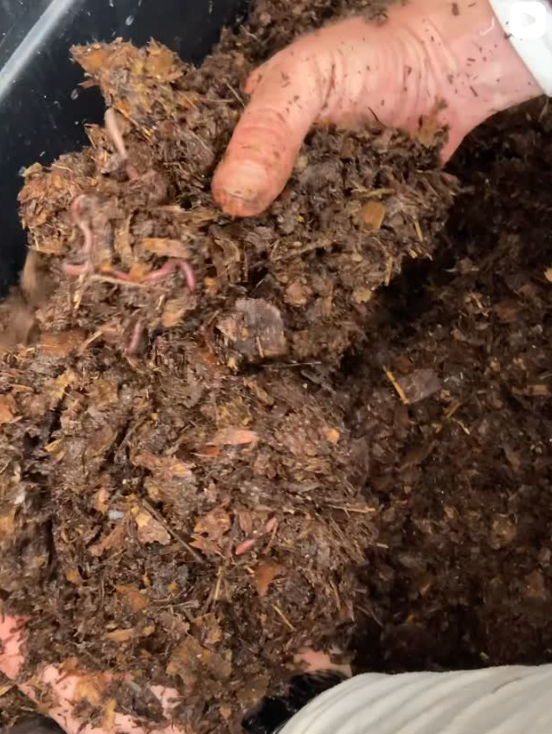
Visible worms in the top few inches
Steady breakdown of food scraps
Red flags:
Strong smell
Escaping worms
Fruit flies or maggots
💡 Take a quick peek each week. Your worms will tell you what’s going on.
💚 The Compost Kitchen Can Help You Get It Right
Starting your first worm farm? We offer:
✅ Easy-to-follow starter kits
✅ Video guides and setup help
✅ WhatsApp group support for troubleshooting
✅ Collection services if you want to ease into it
You don’t have to learn it all the hard way—we’ve already made the mistakes, so you don’t have to.
Final Word: Mistakes Are Just Part of Learning
Every compost champion started out with questions. If you’ve ever felt unsure or even made a mess, you’re not failing—you’re learning.
And the great thing about worm farming? It always gives back. With time, care, and a little help, your bin will be teeming with life—and your scraps will be feeding a whole new ecosystem.


Comments