

Composting with Worms in Small Urban Spaces

Think you need a big backyard to farm earthworms?
Think again.
Some of the most successful worm farms are running quietly in apartments, townhouses, and even office kitchens. Vermicomposting is uniquely suited to urban living because it’s compact, low-odour, and highly efficient.
If you live in a flat or small home, here’s how to make worm farming work beautifully in your space.

🏙️ Why Worm Farming Is Perfect for Cities
Urban households generate food waste just like suburban ones. The difference? Space is limited.
Worm farms solve that problem because they:
Require very little room
Don’t need turning like traditional compost
Produce minimal smell when managed correctly
Can live indoors or on balconies
💡 A standard worm bin can be as small as a storage container under your sink.
📦 Choosing the Right Setup
When space is tight, design matters.
✅ Compact Stackable Systems
Vertical worm farms maximise processing in a small footprint.
✅ Single-Tub DIY Bins
A simple plastic tub with air holes works well for beginners.
✅ Balcony-Friendly Units
Keep the bin shaded and protected from direct sun and rain.
💡 Avoid placing bins in areas that get extreme heat—urban balconies can get hot quickly.
🪱 Managing Odour in Small Spaces
The biggest fear urban composters have? Smell.
Here’s the truth:
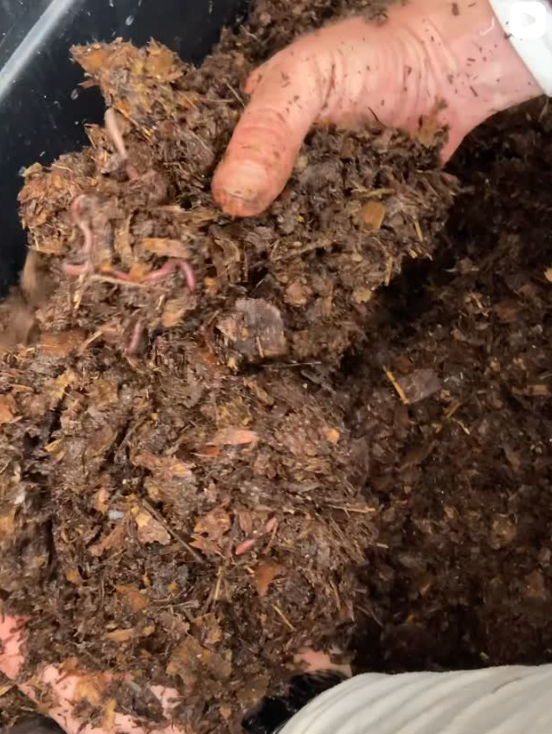
A healthy worm farm smells like damp soil.
To keep it that way:
Always bury food scraps
Add dry bedding regularly
Avoid overfeeding
Maintain proper drainage
If it smells, it’s usually too wet or overfed—and easy to fix.
🪰 Keeping Pests Away
Urban areas can attract fruit flies if food is exposed.
Prevent this by:
Freezing scraps before feeding
Covering with bedding
Keeping the lid secure
Feeding smaller amounts more frequently
💡 Balance and consistency are key.
🌿 What Can You Do with the Compost?
Even if you don’t have a large garden, you can still use vermicast effectively:
Feed balcony herbs
Improve pot plants
Grow salad greens in containers
Share with neighbours
Donate to a community garden
Urban composting often creates unexpected connections with local growers.
🧠 The Mindset Shift
Urban living often feels disconnected from nature.
Worm farming restores that connection.
It reminds you that:
Waste is a resource
Soil is alive
You can participate in regeneration—even in a small apartment
It transforms your kitchen into the beginning of a natural cycle.
🌍 Environmental Impact in Dense Areas
Urban centres produce massive volumes of food waste.
When city dwellers compost:
Landfill methane emissions decrease
Waste collection loads reduce
Local soil health improves
Circular systems strengthen
Small spaces can create big impact.
💚 The Compost Kitchen Supports Urban Worm Farmers
We help urban households by offering:
Compact worm starter kits
Guidance for small-space setups
Collection services if you’d rather not manage a bin
Community support for troubleshooting
Whether you have a balcony or just a corner in your kitchen, you can farm worms successfully.
Final Thought
You don’t need a farm to farm worms.
You don’t need land to restore soil.
All you need is a small container, a little curiosity, and the willingness to see waste differently.
Urban composting isn’t about space.
It’s about intention.


Comments