

How Fast Do Worms Multiply? Understanding Growth Rates

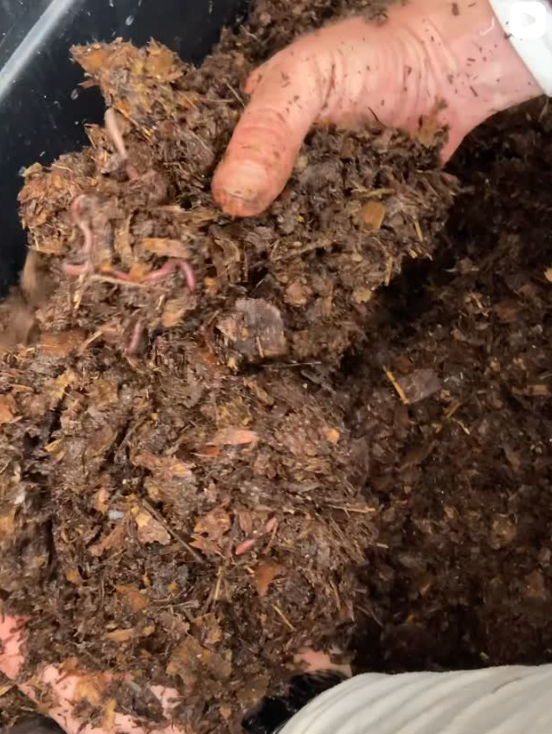
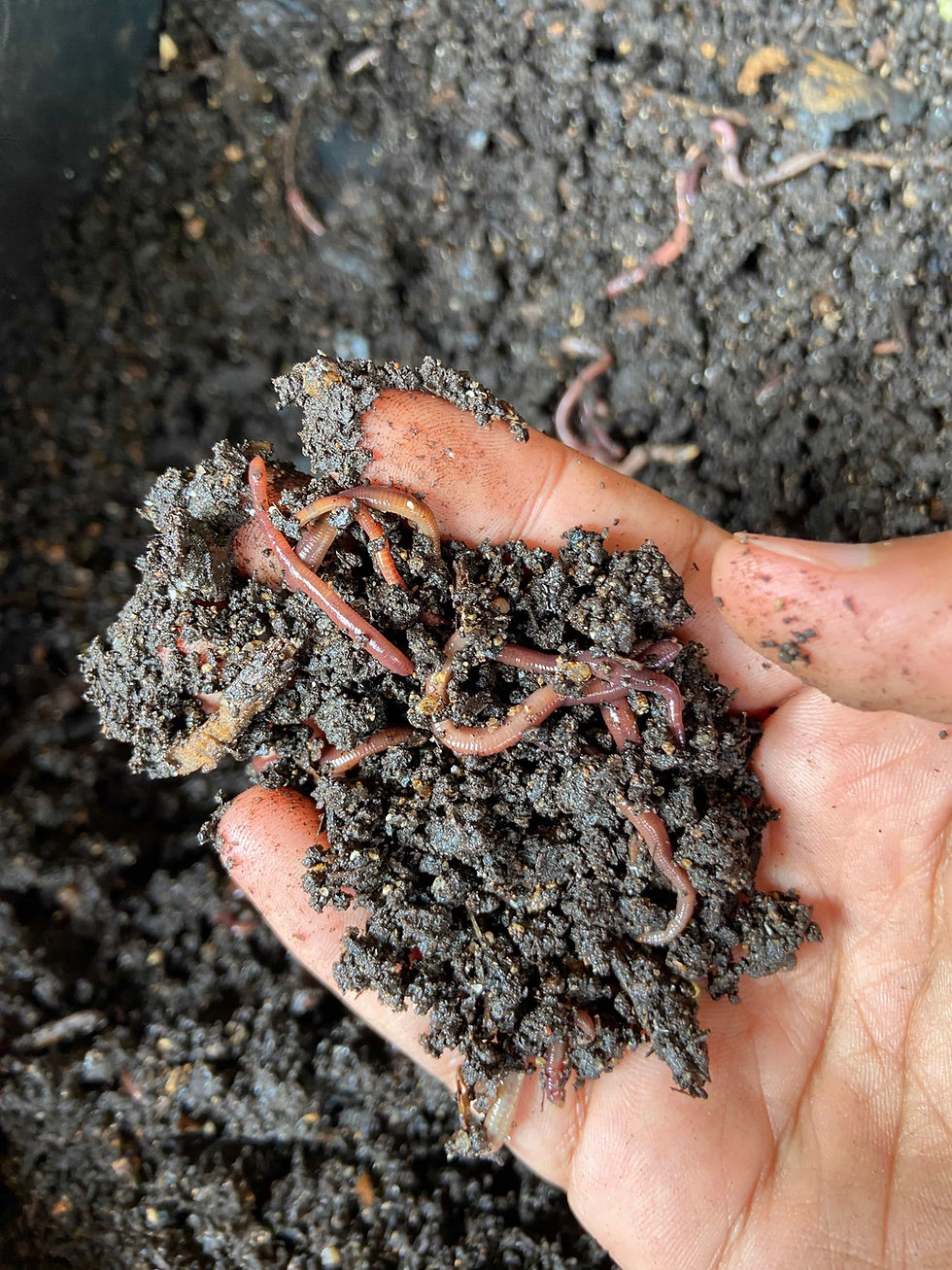
One of the most fascinating things about worm farming is how quickly a small population can grow. You might start with a handful of worms… and a few months later, your bin is full of life.
So naturally, the question comes up:
How fast do worms actually multiply?
The answer depends on a few key factors — but under the right conditions, worms can grow their population surprisingly quickly.

🪱 The Basics of Worm Reproduction
Composting worms (like Eisenia fetida, red wigglers) reproduce through cocoons.
Here’s how it works:
Two worms exchange sperm.
Each worm produces a cocoon (egg capsule).
The cocoon incubates in the bedding.
Baby worms hatch from the cocoon.
Each cocoon can contain 2–5 baby worms.
⏱️ The Worm Life Cycle
Under good conditions:
Cocoon production: every 7–10 days per mature worm
Incubation period: ~2–3 weeks
Hatchlings mature: ~6–8 weeks
This means:
👉 A worm can go from egg to reproducing adult in about 2–3 months.
📈 How Fast Can Populations Grow?
In ideal conditions, worm populations can:
👉 Double every 2–3 months
This is why worm farming scales so effectively over time.
For example:
Start with 500 worms
After 3 months → ~1,000 worms
After 6 months → ~2,000 worms
Growth isn’t perfectly linear, but the trend is clear.
🌡️ What Affects Growth Rate?
Worm reproduction depends heavily on environmental conditions.
🌡️ Temperature
Ideal range: 15–25°C
Too cold → slow reproductionToo hot → stress or death
🍌 Food Supply
Consistent, balanced feeding encourages reproduction.
Too little food → slow growthToo much → unhealthy bin conditions
📦 Space
Worms need room to expand.
Overcrowded bins can slow reproduction and reduce cocoon production.
💧 Moisture
Worms need a moist environment.
Too dry → reproduction dropsToo wet → oxygen decreases
🌿 Bedding Quality
Healthy bedding supports microbial life, which supports worm health.
Better bedding = better reproduction conditions.
🧬 Why Worms Multiply So Efficiently
Worms are designed to respond to favourable conditions.
When:
Food is abundant
Space is available
Conditions are stable
They increase their population naturally to match the available resources.
It’s a built-in balancing system.
⚠️ Why Growth Sometimes Slows
If your worms aren’t multiplying as expected, it may be due to:
Cold temperatures
Overfeeding or underfeeding
Poor bedding
Lack of space
Stress in the system
Small adjustments can often restore healthy growth.
🌱 What This Means for Your Worm Farm
You don’t need to buy large quantities of worms upfront. Start small.
If conditions are right:
Your population will grow
Processing capacity will increase
Compost production will scale naturally
Worm farming rewards patience and consistency.
💚 The Compost Kitchen Perspective
At The Compost Kitchen, we focus on creating the right conditions for worms to thrive.
When the system is balanced:
Worms reproduce naturally
Compost production increases
Waste processing becomes efficient
Growth is not forced — it’s supported.
Final Thought
Worms don’t rush. They respond.
Give them the right environment, and they’ll quietly multiply, expand, and transform your waste into something valuable. And before you know it, what started small becomes something powerful.

Comments